Ramen Day Design: A Practical Embroidery Review
As a designer who spends half my life digitizing and the other half stitching, I have learned that not every cute graphic translates well to thread. When I first pulled up the Ramen Day Everyday Ramen Lover Love file, my initial reaction was one of cautious optimism. The theme is undeniably popular; foodie culture, specifically the obsession with noodles, has massive appeal in the handmade market. But popularity does not guarantee stitchability. I needed to know if this design would hold up under the needle or if it would turn into a tangled mess on a client’s favorite sweatshirt.
First Impressions and Visual Personality
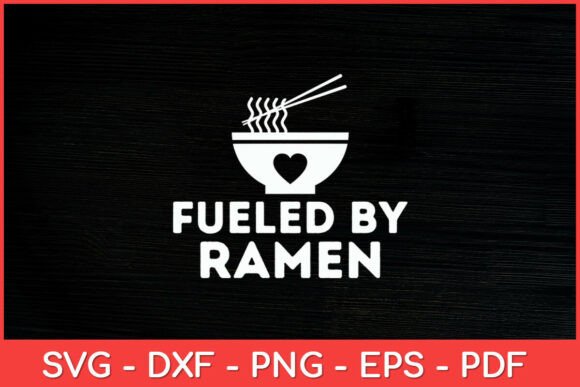
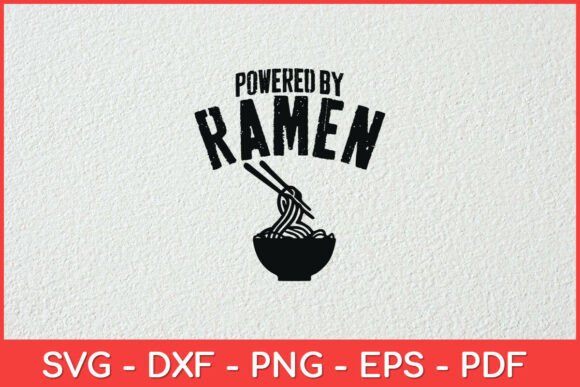
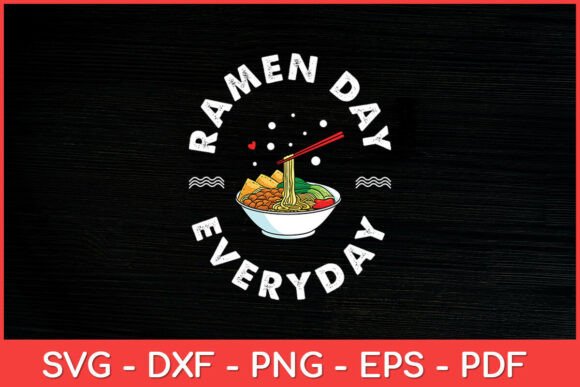
The mood of this design is playful and casual. It captures that specific, cozy feeling of enjoying a hot bowl of ramen on a rainy day. Visually, the layout feels balanced, with the typography and noodle elements working together rather than competing for attention. For an embroidery project, this is crucial. If the elements are too scattered, the eye gets lost. If they are too cramped, the fabric puckers. This design seems to strike a middle ground, offering enough negative space to let the stitches breathe while maintaining a cohesive look.
From a Crafts and Graphics perspective, the line work appears clean. However, since this is marketed as an instant download SVG for cutting machines like Cricut and Silhouette, we must approach it with a designer’s eye for conversion. An SVG is vector-based, which is great for cutting vinyl, but embroidery requires us to think in terms of stitch paths. The curves of the noodles and the thickness of the letters will dictate whether we use a satin stitch, a fill stitch, or a running stitch. My immediate thought was that the noodle strands would look fantastic as textured satin columns, giving them a raised, tactile quality that mimics the actual food.
Real-World Application: The Tote Bag Test
To truly evaluate Ramen Day Everyday Ramen Lover Love, I imagined a real-life scenario. I recently had a request for a set of custom tote bags for a local food festival. This design felt like a perfect fit. I visualized it stitched on a heavy canvas tote, using vibrant thread colors like deep soy-sauce brown, bright egg-yolk yellow, and fresh scallion green. The contrast against natural cotton canvas would be striking.
In this context, the design serves as more than just decoration; it becomes a conversation starter. Customers at craft fairs are drawn to humor and relatability. A bag that says you love ramen is an instant identity marker. For an Etsy seller or small shop owner, this type of handmade product has high giftability. It appeals to students, young professionals, and anyone who enjoys comfort food. The key here is execution. If the stitching is crisp and the colors pop, the perceived value of the item skyrockets. If the threads bunch up or the design looks muddy, the customer loses trust in the brand.
Navigating Fabric and Hoop Constraints
While the design is charming, there are practical limitations to consider. Embroidery is unforgiving on certain surfaces. If you plan to use this on a curved surface like a cap, you need to be careful with the width of the design. A wide layout might distort when stitched on a structured front panel. Similarly, if you are working with stretchy fabrics like jersey knits for t-shirts, the stitch density becomes critical. High-density fill stitches can cause the fabric to pucker or tear over time.
I would advise testing this design on scrap fabric first. Check how the smaller details, such as the tips of the chopsticks or the swirls in the broth, render at different sizes. Tiny lettering can easily become illegible if the hoop size is too small or if the thread thickness is too heavy. For a baby embroidery project, such as a onesie, you might need to simplify the design or increase the size to ensure durability and softness. Thick, dense stitches can be uncomfortable against sensitive skin, so adjusting the backing stabilizer is essential.
Technical Considerations for Digitizers
Since the product description specifies this is an SVG for cutting machines, it is important to clarify that this is not necessarily a pre-digitized embroidery file. If you are an embroidery designer, you will likely need to convert this vector graphic into a stitch file using your preferred software. This gives you control over the stitch density and direction. You can decide where to place underlay stitches to stabilize the fabric and prevent shifting. You can also choose between a satin stitch for smooth, shiny lines or a running stitch for a more rustic, hand-drawn aesthetic.
Thread color choice plays a massive role in the final outcome. On dark fabrics, you may need to add a layer of white underlay or use lighter thread shades to ensure the design stands out. Conversely, on light fabrics, bold, saturated colors will make the ramen bowl pop. Always review your design in black and white mockups first. If the contrast isn’t clear in grayscale, it won’t be clear in thread. This step saves time and prevents wasted materials.
Commercial Use and Brand Consistency
For those running a craft business, understanding the licensing terms is vital. Before selling finished items or digital products featuring Ramen Day Everyday Ramen Lover Love, confirm the license included with the download. Some creators allow commercial use for physical goods but restrict the resale of the digital file itself. Clarity here protects your shop from legal issues and builds professionalism.
Integrating this design into your product line can enhance brand consistency if your shop focuses on fun, lifestyle-oriented goods. It pairs well with other kitchen-themed items like aprons or tea towels. For holiday gifts, consider pairing it with a custom embroidered spoon rest or a set of napkins. The versatility of the theme allows for creative expansion beyond just apparel.
Final Verdict for Makers
The Ramen Day Everyday Ramen Lover Love design offers strong potential for engaging, marketable products. Its strength lies in its relatable subject matter and clean visual structure. However, success depends on the maker’s ability to adapt the vector graphic for embroidery constraints. Pay attention to hoop size, fabric texture, and stitch density. Test thoroughly on scrap materials before committing to a final product. Whether you are creating a personalized gift for a friend or stocking your Etsy shop with trendy apparel, this design can be a valuable asset if handled with technical care and creative insight. Remember, the difference between a good product and a great one is often in the details of the stitch.