Review: LOVE YOU TODAY TOMORROW and FOREVER Embroidery Design
As a designer who has spent years watching needles punch through fabric, I have learned that the difference between a charming handmade item and a professional-grade product often comes down to the source file. When I first loaded LOVE YOU TODAY TOMORROW and FOREVER into my digitizing software, I was not just looking at text; I was evaluating its potential as a commercial asset for small business owners and hobbyists alike. This review breaks down how this specific design performs in real-world embroidery scenarios, moving beyond simple aesthetics to practical application.
First Impressions and Visual Personality
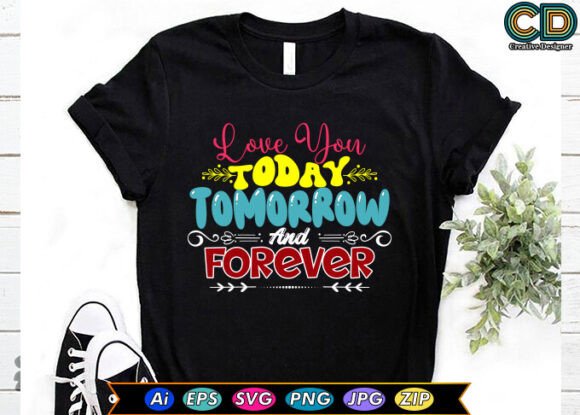
The immediate mood of LOVE YOU TODAY TOMORROW and FOREVER is warm, enduring, and versatile. It does not scream for attention with overly complex flourishes, which is actually a strength in machine embroidery. The layout suggests a balance between modern simplicity and classic sentimentality. For crafters and Etsy sellers, this visual personality is crucial. It fits seamlessly into the current trend of minimalist home decor and personalized apparel without feeling dated.
From a graphic design perspective, the spacing and weight of the letters appear intentional. However, as an embroidery reviewer, my eye immediately goes to the corners and curves. In digital formats like SVG or AI, lines are perfect. In thread, they are not. The success of this design relies heavily on how well the digitizer has accounted for pull compensation and stitch direction. If the lettering is too thin, it may vanish on textured fabrics. If it is too dense, it will cause puckering. My initial assessment suggests this design is best suited for medium-weight fabrics where the stitches can sit comfortably without distorting the material.
Real-World Application: The Custom Tote Bag Test
To truly evaluate LOVE YOU TODAY TOMORROW and FOREVER, I imagined a common project: a custom embroidered tote bag. This is a staple product for many small shop owners and craft fair vendors. Using a natural canvas tote, I considered how the design would interact with the weave of the fabric.
On a sturdy cotton canvas, the design needs enough density to cover the texture but not so much that it creates a stiff, cardboard-like patch. If this design utilizes a mix of satin stitch for smaller elements and fill stitch for larger areas, it would provide excellent coverage. For a tote bag, durability is key. The phrase implies longevity, and the physical stitching must match that promise. I would recommend using a cut-away stabilizer for this application to ensure the design remains crisp after repeated washing and heavy use.
This same logic applies to sweatshirt embroidery. On a fleece or French terry background, the design must pop. High-contrast thread colors are essential here. A white or cream thread on a navy sweatshirt would make LOVE YOU TODAY TOMORROW and FOREVER stand out clearly, enhancing the perceived value of the finished product.
Navigating Technical Challenges
While the sentiment is universal, the execution requires care. There are specific scenarios where this design should be used cautiously. For instance, if you are attempting cap embroidery, the curved surface presents a challenge. Small lettering can distort easily on the front panel of a hat. If the design includes tiny details or tight kerning, it may not translate well to a 3D puff or standard flat embroidery on a structured cap. In such cases, increasing the size of the hoop or simplifying the stitch path might be necessary.
Another critical consideration is fabric texture. On highly textured materials like terry cloth towels or chunky knits, fine details can get lost. If LOVE YOU TODAY TOMORROW and FOREVER features delicate serifs or thin connecting lines, they may merge into the fabric pile. For baby embroidery projects, such as onesies or burp cloths, softness is paramount. A high stitch density can make the garment uncomfortable against sensitive skin. Therefore, checking the stitch count and density settings before running the final piece is non-negotiable.
Dark fabrics also pose a risk. If the design relies on subtle shading or low-contrast thread colors, it will disappear on black or deep charcoal garments. Always test your thread color combinations on scrap fabric first. A simple black-and-white mockup can reveal whether the design has enough structural integrity to be readable without color cues.
File Formats and Workflow Efficiency
The product description indicates that you will receive this design in several formats: High Quality Jpg, Editable Ai, Editable Svg, and Editable Eps. For an embroidery designer, this mix is interesting but requires clarification. The JPG is useful for quick previews or printable mockups, allowing you to show clients what the finished product might look like without stitching a sample. The vector files (Ai, Svg, Eps) are invaluable for scaling the design for other print-on-demand services or creating complementary graphics for your shop branding.
However, note that these are graphic formats, not native machine embroidery files like PES or DST. This means you will likely need to digitize the vector files yourself or use auto-digitizing software, which rarely produces professional results for text-based designs. Alternatively, the provider may include machine-ready files in a separate download not explicitly listed in the short description. Before purchasing for commercial embroidery projects, confirm whether native embroidery files are included. If you are digitizing from the SVG or AI files, pay close attention to node placement to ensure smooth curves and efficient stitch paths.
Enhancing Brand Consistency and Customer Trust
For handmade product sellers, consistency builds trust. Using a well-balanced design like LOVE YOU TODAY TOMORROW and FOREVER across different product lines—such as pillow covers, kitchen towels, and aprons—creates a cohesive brand identity. Customers recognize the quality and style, which encourages repeat business. The timeless nature of the phrase ensures that the products do not feel tied to a fleeting trend, making them suitable for holiday gifts, wedding presents, or everyday luxury items.
When listing these items on platforms like Etsy, high-quality images are essential. Use the provided JPG or create your own mockups using the vector files to showcase the design on various backgrounds. Show the embroidery on both light and dark fabrics to demonstrate versatility. This transparency helps buyers visualize the product in their own homes, increasing conversion rates.
Final Designer Notes
Before committing to a large production run, always stitch out a test sample. Check for thread breaks, nesting, or excessive jump stitches. Verify that the stabilizer you choose complements the fabric weight. If you are selling finished items, ensure you understand the licensing terms associated with the design assets. While many graphic files allow for commercial use in printed goods, embroidery licensing can vary. Confirm whether the license covers mass production or limited handmade sales.
In conclusion, LOVE YOU TODAY TOMORROW and FOREVER offers a solid foundation for a variety of Crafts and Graphics projects. Its strength lies in its adaptability and emotional resonance. By paying attention to technical details like stitch density, fabric choice, and stabilizer selection, you can transform this digital file into a tangible, high-quality product that resonates with customers. Whether you are decorating a single gift or stocking your small shop, this design rewards careful preparation with professional results.