Stitching the Kawaii Ramen Bowl: A Designer’s Review
As an embroidery designer who has spent countless hours digitizing and testing files for client projects, I approach every new machine embroidery design with a critical eye. It is not just about whether the image looks cute on a screen; it is about how those lines translate into thread, how the tension holds up on fabric, and whether the final finished product will survive a wash cycle while maintaining its charm. Recently, I evaluated the Asian Food Noodles Kawaii Bowl of Ramen design to determine its viability for real-world applications in my small shop and for custom client orders.
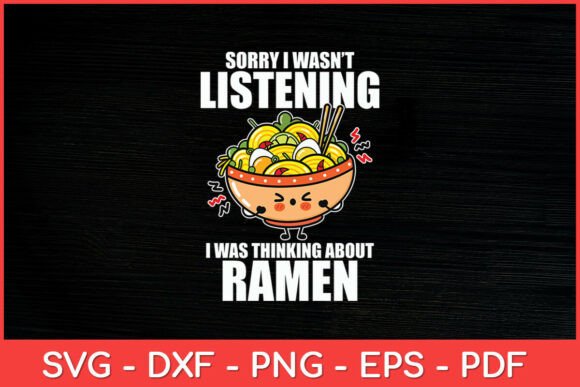
The first impression of this Graphics asset is undeniably cheerful. The kawaii aesthetic relies on simplified shapes, bold outlines, and expressive features, which generally translates well to embroidery because it avoids the microscopic details that often cause thread breaks or puckering. When I loaded the file into my digitizing software to inspect the pathing, I noticed the design leans heavily on clean curves. This is crucial for a smooth stitch-out, especially when dealing with the rounded edges of a ramen bowl and the flowing lines of noodles. For those of us in the Crafts community who value efficiency, a design that minimizes unnecessary jumps and trims is always a win.
Real-World Application: The Tote Bag Test
To truly understand the potential of the Asian Food Noodles Kawaii Bowl of Ramen, I moved beyond digital mockups and prepared a physical test. My scenario was simple yet common for many Etsy sellers and craft business owners: creating a set of reusable tote bags for a local food festival. Tote bags are typically made from canvas or heavy cotton, which provides a stable base for embroidery but can be unforgiving if the stitch density is too high.
I hooped a piece of medium-weight canvas with a cut-away stabilizer to ensure maximum support. The design’s layout fit comfortably within a standard 5x7 inch hoop, leaving ample room for personalization text if a customer wanted their name added below the bowl. As the machine began stitching, I observed how the fill stitch handled the broth area of the ramen. The color transitions were smooth, and the satins used for the bowl’s rim maintained their sheen without twisting. This is a common issue with wider satin columns, but the proportions here seemed well-calibrated for home embroidery machines.
Versatility Across Product Lines
One of the strongest attributes of this design is its adaptability. While my initial test was on a tote bag, I can easily envision this embroidery file working across a variety of custom apparel and home goods. For sweatshirt embroidery, the bold lines of the kawaii face stand out beautifully against fleece or French terry fabric. The simplicity of the design ensures it does not get lost in the texture of the material, a frequent problem with more intricate illustrations.
For baby embroidery projects, such as bibs or onesies, the playful nature of the ramen bowl is a hit. However, caution is required. Babies have sensitive skin, so ensuring that the back of the embroidery is properly covered with a soft backing or that the stabilizer is trimmed close is essential. The design does not appear to have excessive dense stacking, which reduces the risk of stiffness, making it a safer choice for garments that touch delicate skin.
Additionally, this design serves as an excellent candidate for an embroidered patch. By using a tear-away stabilizer and finishing the edges with a tight satin border, crafters can create iron-on or sew-on patches that add a whimsical touch to denim jackets or backpacks. This expands the utility of the digital embroidery file beyond direct-to-garment applications, offering small shop product creators more avenues for revenue.
Technical Considerations and Limitations
While the Asian Food Noodles Kawaii Bowl of Ramen is robust, it is not without its limitations. Designers must be mindful of the substrate. On thin or stretchy fabrics, such as lightweight jersey or silk, the weight of the thread could cause distortion. In these cases, using a heavier stabilizer or opting for an applique design version—if available—might be preferable. Since the product description notes this is an instant download file intended for cutting machines like Cricut and Silhouette, it is vital for embroidery users to verify if the file includes native embroidery formats (such as PES, DST, or JEF) or if conversion is necessary. Using a converted SVG directly for embroidery without proper digitizing can lead to poor stitch quality.
Another consideration is color contrast. The kawaii style often uses pastel or bright colors. When stitching on dark fabrics, the design may require an underlay or a background fill to ensure visibility. I recommend running a test stitch on scrap fabric in both light and dark colors to check the thread colors interaction. If the noodles are stitched in a light yellow on a white shirt, they may vanish. Adjusting the palette to include darker outlines or contrasting shades can save the visual impact of the embroidery project.
Commercial Viability and Brand Consistency
For commercial embroidery and personalized gift businesses, consistency is key. This design offers a recognizable and trendy motif that appeals to a broad demographic, from foodies to fans of Japanese culture. Its clean lines make it easy to reproduce consistently across multiple units, which is essential for maintaining brand consistency and customer trust. When customers receive a handmade product that looks professional and durable, they are more likely to return and leave positive reviews.
However, before listing items featuring this design on platforms like Etsy, it is imperative to review the licensing terms. The description states it is for use with cutting machines, but commercial rights for embroidery may vary. Always confirm whether the license allows for selling finished physical items. Assuming the rights are cleared, this design can significantly enhance buyer engagement due to its immediate visual appeal and emotional connection to comfort food.
Final Verdict for Makers
The Asian Food Noodles Kawaii Bowl of Ramen is a solid addition to any designer’s library, provided it is used with technical awareness. It excels in projects where charm and clarity are prioritized over intricate realism. Whether you are creating a holiday embroidery gift for a friend who loves cooking or stocking your online store with unique tote bag design options, this graphic holds up well under the needle.
Remember to always test on scrap fabric first, check your hoop size compatibility, and adjust your stabilizer based on the fabric texture. By treating this digital asset with the same rigor as a custom-digitized file, you can produce high-quality, professional results that resonate with customers. For makers looking to add a touch of whimsy to their design assets, this ramen bowl is a delicious choice.