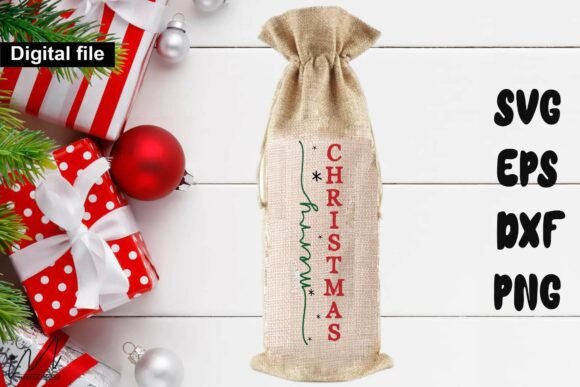
Reviewing the Christmas Wine Bag SVG for Embroidery
As a designer who spends half my life staring at digitized files and the other half pulling threads out of bobbin cases, I approach every new Christmas Wine Bag Svg with a mix of excitement and skepticism. We all know that what looks crisp on a computer screen does not always translate seamlessly to fabric. When I first opened this file, my immediate goal was to determine if it was merely a cute graphic or a viable asset for real-world embroidery projects. For those of us running a craft business or selling on Etsy, the difference between a bestseller and a refund request often lies in the technical readiness of the design.
First Impressions and Visual Personality
The mood of this design is undeniably festive and lighthearted. It captures that specific holiday spirit where relaxation meets celebration. Visually, the layout is balanced, avoiding the clutter that often plagues seasonal graphics. For an Etsy seller, this visual clarity is crucial. Customers scrolling through hundreds of listings need to understand the product instantly. This Graphics asset delivers that immediate recognition. The shapes are distinct, which suggests that when converted into a machine embroidery design, the outlines will remain sharp rather than merging into a blob of thread.
I appreciate that the design allows for color customization. In the world of custom apparel and home decor, flexibility is key. A client might want traditional red and green, or perhaps a modern gold and navy palette for a boutique hotel gift shop. The ability to adjust these elements in appropriate software before digitizing gives the designer significant control over the final aesthetic.
Real-World Application: The Holiday Hostess Gift
To truly test the viability of this Christmas Wine Bag Svg, I imagined a specific scenario: creating a set of personalized hostess gifts for a December wedding. The plan was to embroider the design onto high-quality linen tea towels or canvas tote bags. This is a common request for small shop products during the fourth quarter.
In this context, the design performs well because it is not overly dense. If I were stitching this onto a textured linen, a highly detailed fill stitch area might cause puckering. However, the open nature of this graphic suggests it would work beautifully with a combination of satin stitch borders and sparse fill areas. It feels like a design that respects the fabric rather than overpowering it. For a handmade product intended to be used and washed, this balance is essential. A heavy, stiff patch on a soft towel ruins the user experience, but this design appears light enough to maintain the drape of the material.
Considerations for Different Fabrics
While the design is versatile, it is not universal. I would exercise caution when applying this to stretchy fabrics like jersey knits for sweatshirt embroidery. Without proper stabilization, the open spaces in the design could distort during wear. Similarly, on dark fabrics, you must ensure your thread colors have enough contrast. A printable mockup can help visualize this, but nothing beats a physical test stitch. I always recommend testing on scrap fabric first, especially if you are using a new thread brand or stabilizer type.
For baby embroidery or delicate items, the scale becomes critical. Since this is provided as an SVG, DXF, EPS, and PNG, you have the freedom to resize. However, shrinking it too much for a small hoop might turn fine lines into unrecognizable knots. Always check the smallest details after resizing to ensure they remain above the minimum stitch width your machine can handle.
Technical Workflow and Digitizing Notes
It is important to clarify that this product is a vector graphic, not a pre-digitized embroidery file like DST or PES. This is a crucial distinction for creative entrepreneurs who may be new to the process. You will need to use digitizing software to convert the SVG into stitches. This is actually a benefit for experienced designers because it allows you to control the stitch density and direction.
When digitizing this Christmas Wine Bag Svg, pay close attention to the corners. Sharp angles in vector files can cause thread breaks if not properly underlaid. I recommend using a light running stitch or edge walk to secure the outline before adding any satin columns. Also, consider the order of operations. Stitching the background elements first and the foreground text or main shapes last ensures a clean finish without jump stitches crossing visible areas.
Since the package includes a transparent PNG, you can also use this for sublimation or heat transfer vinyl if embroidery is not feasible for a particular item. This versatility adds value to your design assets library, allowing you to offer mixed-media products to your clients.
Commercial Viability and Brand Consistency
From a business perspective, this design fits neatly into the holiday embroidery niche without being overly cliché. It appeals to adults who enjoy wine culture, a demographic that often spends more on premium personalized gifts. Using this design on a high-end canvas tote or a structured apron can elevate the perceived value of the item. It signals that the maker has taste and understands current trends.
However, always verify the licensing terms before selling finished products. While many SVG creators allow commercial use for physical items, restrictions may apply to digital resale. Ensure you are compliant to protect your craft business reputation. Customer trust is built on professionalism, and part of that professionalism is respecting intellectual property rights.
Final Verdict for Makers
The Christmas Wine Bag Svg is a solid addition to any designer’s toolkit for the holiday season. It is not just a pretty picture; it is a functional base for creating tangible, sellable goods. Whether you are making an embroidered patch for a jacket or a full-front design on a kitchen towel, the simplicity of the lines works in your favor. It reduces stitch time, minimizes thread breaks, and results in a clean, professional look that customers appreciate.
Remember to test your tension, choose the right stabilizer for your fabric texture, and keep your needles fresh. With these practical steps, this design can help you create standout pieces for your small business merchandise lineup. It is a reliable choice for anyone looking to add a touch of humor and warmth to their holiday offerings.