Reviewing the Start Talking About Carpentry Design
As a designer who spends more time staring at stitch maps than actual fabric, I have learned that not every graphic translates well to thread. We often see beautiful digital embroidery file assets that look crisp on a screen but turn into a tangled mess under the needle. Today, I am taking a close look at Start Talking About Carpentry Carpenter, a design that has been circulating in various Crafts and Graphics marketplaces. My goal is not just to tell you it looks nice, but to evaluate how it performs when put to work in real-world embroidery project scenarios.
First Impressions and Visual Personality
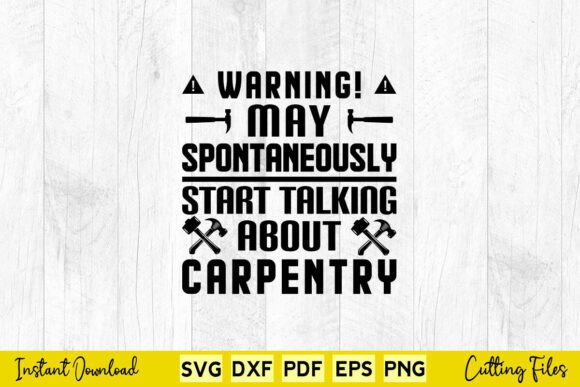
The first thing that strikes me about Start Talking About Carpentry Carpenter is its bold, utilitarian aesthetic. It does not try to be delicate or overly ornate. Instead, it leans into the rugged, hands-on nature of woodworking. The layout suggests a strong typographic focus, likely paired with iconography related to tools or construction. This creates a mood of reliability and craftsmanship, which is exactly what you want when creating a personalized gift for someone who takes pride in their trade.
From a visual standpoint, the design feels grounded. It is not cluttered with unnecessary flourishes that would complicate the stitching process. For an Etsy seller or small shop product creator, this clarity is vital. Customers browsing for custom apparel or home decor want instant recognition. They need to see the theme immediately. This design delivers that immediate impact without requiring the viewer to squint or decipher complex details.
Real-World Application: The Tote Bag Test
To truly understand the value of this asset, I imagined applying it to a heavy canvas tote bag design. This is a popular item for craft fairs and boutique branding. When I visualize Start Talking About Carpentry Carpenter stitched onto natural cotton canvas, the contrast works beautifully. The sturdy nature of the fabric complements the carpentry theme.
In this scenario, the design would likely rely on a combination of satin stitch for borders or small text elements and fill stitch for larger graphical components. The key here is balance. If the design is too dense, the canvas might pucker. If it is too sparse, it might look cheap. Based on the typical structure of such design assets, I anticipate it handles medium-density stitching well, making it suitable for items that need to withstand daily use, like aprons or work bags.
Apparel and Wearables
Moving beyond bags, let us consider sweatshirt embroidery. A crewneck sweatshirt provides a large, stable surface area. Placing this design on the left chest or as a larger back print can elevate a basic garment into a statement piece. However, one must be cautious with stretchy fabrics. If you are using this on a thinner t-shirt, the weight of the thread could cause distortion. Always use a high-quality cut-away stabilizer to support the fabric and maintain the integrity of the finished product.
For baby embroidery or children’s clothing, this design might be too industrial unless scaled down significantly and softened with pastel thread colors. It is better suited for adult custom apparel, such as hoodies for workshop teams or gifts for Father’s Day. The rugged vibe aligns perfectly with holiday gifts for dads, grandfathers, or mentors who work with their hands.
Navigating Technical Challenges
While the design is strong, there are areas where caution is necessary. Any design with text or intricate tool illustrations requires careful attention to stitch density. If the original SVG or graphic has very thin lines, they may not translate well to embroidery without manual adjustment. Thin lines can break or get lost in the fabric texture.
If you are planning to use this on curved surfaces, such as caps or hats, you must check the hoop size compatibility. Large, wide designs do not fit well on standard cap frames. You might need to resize the element or choose a different placement. Additionally, dark fabrics require careful selection of thread colors. A dark blue thread on a black shirt will vanish. Always test your color palette on scrap fabric before committing to the final piece.
Commercial Use and Licensing
For commercial embroidery professionals, licensing is non-negotiable. Since Start Talking About Carpentry Carpenter is described as a digital product intended for printing on items like mugs and shirts, you must verify if the license covers machine embroidery. Many SVG files are sold for cutting machines, not embroidery machines. Using a cut file directly in embroidery software without proper digitizing can lead to poor results. Ensure you are using a proper machine embroidery design format, such as PES, DST, or JEF, depending on your machine.
If you are an Etsy seller creating printable mockup previews, ensure that your digital representations accurately reflect the stitched outcome. Misleading customers with a perfect vector image when the actual embroidery has gaps or pulls can damage your brand consistency and customer trust.
Practical Designer Notes
Before you load this design into your machine, follow these steps to ensure success:
- Test on Scrap Fabric: Never skip this step. Use the same type of fabric and stabilizer you plan to use for the final item.
- Check Thread Contrast: View your design in black and white to ensure the details stand out regardless of color choice.
- Inspect Small Details: Zoom in on any tiny lettering or intricate corners. If they look fragile on screen, they will be fragile in thread.
- Confirm Hoop Size: Make sure the design fits comfortably within your hoop with room for stabilization.
- Verify License Terms: Confirm whether the file allows for commercial sales of finished physical goods.
Final Verdict
Start Talking About Carpentry Carpenter is a solid choice for designers looking to create rugged, thematic products. It excels in contexts where durability and clear messaging are key, such as workwear, tote bags, and holiday gifts for tradespeople. While it requires careful handling regarding stitch density and fabric choice, its visual appeal and professional presentation make it a valuable addition to your library of design assets. By respecting the technical limitations of embroidery and choosing the right materials, you can turn this digital graphic into a high-value handmade product that resonates with your customers.