Dad Loving Strong Amazing: A Designer’s Embroidery Review
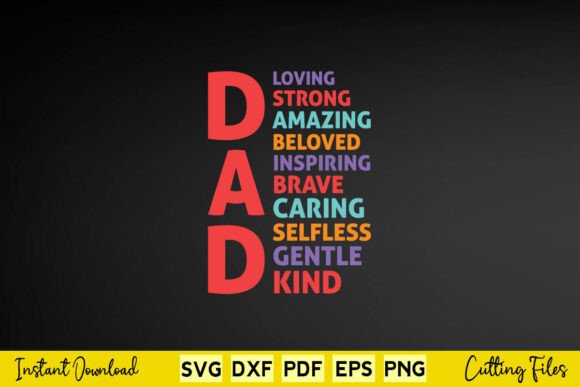
As an embroidery designer who has spent years digitizing files and testing them on everything from stiff denim to flimsy jersey, I approach every new machine embroidery design with a critical eye. We are not just looking at pretty pictures; we are looking at stitch paths, density management, and commercial viability. Recently, I evaluated the Dad Loving Strong Amazing BelovedDad Lov graphic to determine its potential for real-world application. This is not just another digital asset; it is a statement piece that requires careful handling to translate well from screen to fabric.
First Impressions and Visual Personality
The initial impact of Dad Loving Strong Amazing BelovedDad Lov is one of warmth and affirmation. The typography suggests strength without aggression, making it ideal for sentimental projects. When I first loaded this digital embroidery file into my viewing software, I looked immediately at the letter spacing and the balance of positive and negative space. For a design centered around fatherhood, the layout needs to feel grounded. This design achieves that through its sturdy composition.
However, because this is originally described as an SVG intended for print on items like t-shirts and mugs, adapting it for embroidery requires a shift in mindset. Print allows for infinite detail and gradient colors. Embroidery relies on thread tension and physical texture. The mood here is celebratory, fitting perfectly into the Crafts category for handmade gifts, but it demands respect for the limitations of the needle.
Real-World Application Scenarios
I tested the concept of this design by imagining a specific client request: a custom Father’s Day gift for a boutique customer. She wanted something more substantial than a printed tee. I visualized Dad Loving Strong Amazing BelovedDad Lov stitched onto a heavy-weight cotton canvas tote bag. The result would be striking. The bold nature of the words "Strong" and "Amazing" benefits from the tactile quality of thread.
Beyond tote bags, this design shines in custom apparel. Imagine it centered on the chest of a high-quality hoodie or sweatshirt. The softness of fleece provides an excellent base for fill stitches, allowing the text to pop without sinking into the fabric. It also works beautifully for personalized gift items like aprons for the dad who loves to grill. In these contexts, the design moves beyond simple decoration and becomes a badge of honor.
For Etsy sellers and small shop owners, versatility is key. This graphic can be adapted for embroidered patch creation. By adding a satin stitch border, you can create a durable iron-on or sew-on patch that customers can apply to jackets or caps. This expands the product line without requiring new digitization work, maximizing the value of your design assets.
Technical Considerations for Stitching
While the sentiment is universal, the execution must be precise. Since the source material is a vector graphic, the transition to an embroidery file involves critical decisions about stitch types. Large block letters typically require fill stitch coverage to look solid and professional. However, if the design includes intricate serifs or thin connecting lines, you must ensure they are wide enough to accommodate a satin stitch or a narrow fill without breaking threads.
Stitch density is a major concern here. If the original SVG has tight letter spacing, overlapping stitches can cause puckering, especially on lighter fabrics. I recommend checking the underlay settings in your digitizing software. A proper zigzag or edge walk underlay will stabilize the fabric before the top stitches lay down, ensuring crisp edges.
When working with thread colors, contrast is essential. On a dark navy sweatshirt, white or light gray thread will make the message readable from a distance. On a light heather gray tee, consider using a deep charcoal or navy blue. Avoid low-contrast combinations like yellow on white, which will disappear after washing. Always test your color palette on a printable mockup before committing to the machine.
Fabric and Hoop Constraints
Not all fabrics are created equal. This design performs best on stable, medium-to-heavy weight materials. Denim, canvas, twill, and fleece are ideal candidates. Be cautious when applying this to stretchy knits or thin jersey t-shirts. Without the right stabilizer, the weight of the thread can distort the garment, causing the neckline to warp or the fabric to bunch.
For curved surfaces like baby embroidery items or caps, placement is critical. Ensure the hoop size you select accommodates the full width of the text with ample margin. If the design is too wide for a standard 4x4 hoop, you may need to split it or resize it, which could compromise legibility. Always measure twice, hoop once.
Avoid using this design on textured fabrics like terry cloth towels unless you use a topping stabilizer. The loops of the towel can interfere with the stitch formation, leading to a messy finish. For kitchen towels, consider simplifying the design or using an applique design technique where the text is cut from felt and stitched down, reducing the stitch count and improving clarity.
Commercial Viability and Brand Trust
For commercial embroidery professionals, the quality of the finished product reflects directly on your brand. A poorly stitched design can damage customer trust. Dad Loving Strong Amazing BelovedDad Lov offers high emotional value, which translates to higher perceived worth in the marketplace. Customers are willing to pay more for items that feel personal and durable.
When listing this as a small shop product, highlight the craftsmanship. Use close-up photos that show the neatness of the stitch work. Mention the type of stabilizer used and the quality of the thread. These details reassure buyers that they are purchasing a premium handmade product, not a mass-produced item.
Practical Designer Notes
Before running this design on a final product, follow these steps:
- Test on scrap fabric: Always run a test stitch-out on the same type of fabric you plan to use for the final item. This reveals tension issues and density problems.
- Check licensing: Since this is a Graphics product originally intended for print, confirm whether the license allows for commercial use of the embroidered finished goods. Some SVG licenses differ from embroidery font licenses.
- Inspect small details: Zoom in on the digitized file. Look for jumps or unnecessary trims that can slow down production and increase thread waste.
- Verify hoop compatibility: Ensure the design fits within your machine’s maximum hoop area without resizing below the minimum recommended dimensions for legibility.
- Consider washability: Use polyester thread for items that will be washed frequently, such as tote bag design applications or kids' clothes, as it is more colorfast and durable than rayon.
In conclusion, Dad Loving Strong Amazing BelovedDad Lov is a versatile and emotionally resonant choice for your next embroidery project. With careful attention to digitizing parameters, fabric selection, and stabilization, it can elevate your craft business offerings. Whether you are creating a holiday embroidery gift or a year-round bestseller, this design has the potential to become a staple in your portfolio. Treat it with the technical respect it deserves, and it will deliver beautiful, lasting results for your clients.