I Love My Lineman: A Designer’s Review for Embroidery Projects
As an experienced embroidery designer and product reviewer, I approach every new machine embroidery design with a critical eye. It is not enough for a graphic to look good on a screen; it must translate flawlessly into thread, withstand the tension of the hoop, and resonate with the end user. Recently, I evaluated the I Love My Lineman design, a digital asset marketed toward crafters and small business owners. While the product description highlights its versatility for t-shirts, mugs, and pillows, my focus was strictly on how this graphic performs when translated into a tangible, stitched reality for real-world applications.
First Impressions and Visual Personality
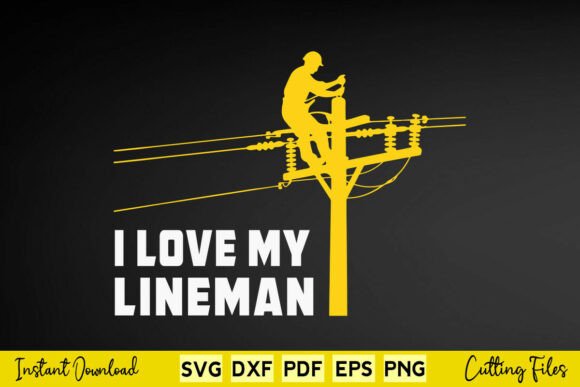
The initial visual impact of I Love My Lineman is warm and affectionate, tapping into a niche but passionate community. The theme celebrates the often-overlooked heroes of our infrastructure, creating an immediate emotional connection. From a layout perspective, the design balances text and imagery in a way that suggests stability and pride. For embroidery purposes, this mood is crucial. We are not just stitching letters; we are stitching sentiment. The visual personality feels grounded, making it an excellent candidate for durable goods rather than fleeting trends. When I imagine this on a finished product, I see it working best on items that convey comfort and reliability, such as a heavy cotton sweatshirt or a sturdy canvas tote.
Real-World Application and Stitching Potential
To truly understand the value of this embroidery file, I mentally walked through several production scenarios. Imagine a custom order for a local utility company’s appreciation event. Here, the design would shine on high-quality polo shirts or caps. The key to success in these custom apparel projects lies in how the design handles different fabric textures. On a smooth twill cap, the lines need to be crisp. On a fuzzy fleece hoodie, the details must be bold enough not to get lost in the pile.
For Etsy sellers and small shop owners, this design offers significant versatility. It fits naturally into the handmade product ecosystem, particularly for personalized gifts. A wife ordering a sweatshirt embroidery piece for her husband who works long hours on the poles would appreciate the personal touch. Similarly, using this as a tote bag design for a community market creates a statement piece that is both functional and proud. The design’s adaptability allows it to move from a baby embroidery item, like a onesie for a lineman’s newborn, to adult-sized outerwear without losing its core message.
Navigating Technical Challenges in Embroidery
However, enthusiasm must be tempered with technical scrutiny. Not every graphic translates well to needle and thread. When evaluating I Love My Lineman for actual production, several factors require careful attention. First, consider the stitch density. If the original SVG contains large solid areas, converting them directly to fill stitch without proper underlay can lead to puckering, especially on lighter fabrics. Designers must ensure that the digitization process includes appropriate stabilizer recommendations.
Small details are another potential pitfall. If the design includes fine lines or tiny lettering, these may not hold up well in a small hoop size or on textured materials. I advise testing the design on scrap fabric first, ideally in both light and dark colors. Dark fabrics often require a white underlay or specific thread choices to ensure visibility, while light fabrics show every shadow and pull. Additionally, if you plan to use this on stretchy fabrics like jersey knits, a cut-away stabilizer is non-negotiable to prevent distortion after washing.
Curved surfaces, such as baseball caps or baby hats, present their own challenges. The design must be centered perfectly, and the stitch direction should follow the curve of the garment to maintain structural integrity. For those considering an embroidered patch application, ensure the edges are clean and dense enough to prevent fraying over time. This is particularly important for items that will undergo frequent washing, such as kitchen towels or aprons.
Enhancing Product Value and Brand Consistency
From a business perspective, the quality of your design assets directly influences customer trust. A well-executed I Love My Lineman project signals professionalism. It shows that the maker understands the medium, not just the software. For boutique branding, consistency is key. If you are building a line of utility-themed gifts, this design should align with your other products in terms of scale and complexity. Using consistent thread colors across your product line can create a recognizable brand identity.
Moreover, the finished product must feel premium. Cheap stitching or poor tension control can devalue even the most heartfelt message. By paying attention to the interplay between satin stitch borders and fill areas, you elevate the perceived value of the item. This attention to detail encourages buyer engagement and positive reviews, which are vital for any Etsy seller or craft business owner. A happy customer is more likely to return for future holiday embroidery needs or recommend your shop to others.
Practical Notes for Designers and Makers
Before launching this design into your production workflow, take these practical steps. First, verify the licensing terms. Since this is a digital embroidery file, confirm whether it allows for commercial use if you plan to sell finished items. Never assume; always read the fine print. Next, create printable mockups to visualize the design on various backgrounds. Compare how it looks on a white tee versus a navy hoodie. This helps in marketing your small shop product effectively.
Test the design on multiple fabric types. Try it on a sturdy denim for a jacket, a soft cotton for a pillow cover, and a synthetic blend for a performance shirt. Note how the applique design elements, if any, interact with the base fabric. Check for thread breaks or needle hits, which can indicate areas where the digitizing needs adjustment. Finally, consider the end-user’s experience. Will the back of the embroidery feel scratchy? If so, consider using a soft backing or adjusting the stitch pattern to minimize bulk.
In conclusion, I Love My Lineman holds promise for those in the Crafts and Graphics sector who are willing to put in the technical legwork. It is not just a file to be downloaded and ignored; it is a component of a larger creative process. By approaching it with the mindset of a professional designer, you can transform a simple digital asset into a cherished personalized gift or a best-selling commercial embroidery item. The difference between a good product and a great one lies in the details, the testing, and the respect for the craft.