If Architecture Was Easy: A Designer’s Review
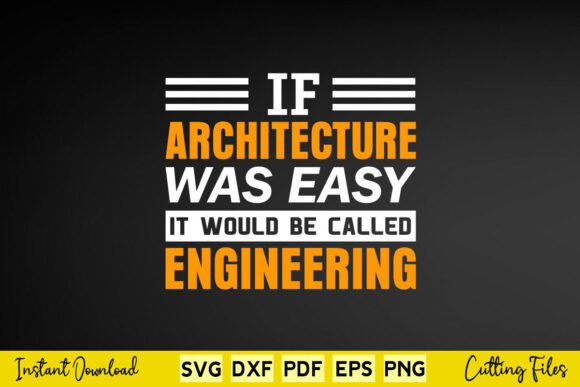
As a designer who has spent countless hours digitizing files and troubleshooting machine errors, I approach every new machine embroidery design with a mix of curiosity and caution. We have all seen those trendy text-based graphics that look fantastic on a screen but turn into a tangled mess under the needle. Recently, I came across a piece titled If Architecture Was Easy It Would Be. The full concept plays on the witty phrase, "If Architecture Was Easy It Would Be Called Engineering," presented as an SVG T-shirt design. While the product description markets it primarily for printing on mugs, pillows, and stickers, my interest lies in its potential as a high-quality embroidery file for custom apparel and handmade goods.
My first impression of If Architecture Was Easy It Would Be is that it carries a bold, intellectual humor. It appeals to engineers, architects, and anyone who appreciates the structural complexity behind simple appearances. Visually, the layout relies heavily on typography. For an embroidery project, this is both a blessing and a challenge. Text designs require precise digitizing to ensure legibility, especially when scaled down for smaller items like baby clothes or caps. The mood is professional yet playful, making it an excellent candidate for boutique branding or personalized gifts for graduates and professionals.
Real-World Application: The Custom Sweatshirt Test
To truly evaluate this design, I imagined a real-life scenario involving a client request. A local engineering firm wanted custom sweatshirt embroidery for their team’s casual Friday wear. They needed something that sparked conversation without looking like a corporate uniform. If Architecture Was Easy It Would Be fit this brief perfectly. However, translating a digital SVG intended for print into a stitched finished product requires careful consideration of stitch types.
In this context, the design would likely rely on a combination of fill stitch for larger letters and satin stitch for finer details or borders. If the original graphic uses thin lines, converting them directly to satin stitch might cause thread breaks or fabric puckering if not properly reinforced. As a reviewer, I advise checking the stitch density before loading the file onto your machine. High-density text can become stiff and uncomfortable on wearable items like hoodies or t-shirts. A well-digitized version of this design should balance visual impact with wearer comfort, ensuring the text remains flexible after washing.
Versatility Across Crafts and Graphics
One of the strengths of this design is its adaptability across various Crafts categories. While it is marketed as a digital product for printing, its clean lines make it suitable for multiple applications. For Etsy sellers and small shop product creators, this versatility is key. You are not limited to just one item type. Consider using it for:
- Tote bag design: The flat surface of a canvas tote allows for larger scaling, making the text highly readable.
- Embroidered patch: Creating a standalone patch allows customers to apply the design to jackets or bags later, adding value.
- Pillow covers: A home decor item where stiffness is less of a concern, allowing for denser stitching.
- Aprons: Perfect for gift ideas for DIY enthusiasts who understand the joke.
However, when moving from flat surfaces to curved ones, such as caps, you must be cautious. Curved surfaces distort text. If you plan to use If Architecture Was Easy It Would Be on a hat, ensure the design is digitized with pull compensation to prevent the letters from leaning or warping during stitching.
Navigating Technical Challenges
Not every fabric behaves the same way. When working with textured fabrics or stretchy materials, the integrity of the text is paramount. Thin lettering in the phrase "Engineering" could get lost if the thread colors do not contrast sufficiently with the fabric texture. For dark fabrics, consider using a lighter thread color or adding a backing layer to ensure the design pops. Conversely, on light fabrics, avoid overly dense fill stitches that might show through to the other side.
Another critical factor is the hoop size. If the full phrase is long, it may require a large hoop, such as a 5x7 or 6x10 inch frame. Always confirm the dimensions of the digital embroidery file before purchasing. If the design is too large for your standard hoop, you might need to split it or reduce the font size, which could compromise readability. Always test the design on scrap fabric first. This simple step saves time and materials, allowing you to adjust tension and stabilizer choices before committing to the final garment.
Enhancing Brand Value and Customer Trust
For craft business owners, the quality of your design assets directly influences customer trust. A crisp, well-stitched logo or phrase signals professionalism. If Architecture Was Easy It Would Be offers a unique selling point because it targets a niche audience with specific pride in their profession. When customers see a well-executed personalized gift like this, they perceive higher value. It moves beyond generic decor into the realm of meaningful, identity-affirming products.
Moreover, using such designs in your portfolio can attract clients looking for commercial embroidery solutions. It demonstrates your ability to handle text-heavy designs with precision. Whether you are creating holiday embroidery gifts or everyday custom apparel, the clarity of the stitch work defines the perceived quality. Buyers engage more with products that look clean and durable, especially if they intend to wash the item frequently.
Practical Notes for Designers
Before integrating If Architecture Was Easy It Would Be into your workflow, keep these practical tips in mind:
- Check Licensing: Since this is sold as a digital product, verify if the license allows for commercial use of finished physical items. Some licenses restrict mass production.
- Stabilizer Selection: Use a cut-away stabilizer for stretchy fabrics like jersey knits to prevent distortion over time. For woven fabrics like cotton tote bags, a tear-away may suffice.
- Thread Choice: Polyester threads offer durability and sheen, ideal for items that will be washed often. Rayon provides a luxurious look but may be less durable for heavy-use items like aprons.
- Mockup Testing: Create printable mockups or digital previews to show clients how the design will look on different colored garments. This helps manage expectations regarding contrast and visibility.
In conclusion, If Architecture Was Easy It Would Be is more than just a funny phrase; it is a versatile design element that, when handled with technical care, can elevate your handmade product lineup. By paying attention to stitch density, fabric choice, and proper stabilization, you can transform this digital graphic into a tangible, high-quality asset for your craft business. Whether for a baby embroidery project for an engineer’s child or a bold statement on a workshop apron, this design holds promise for those who value both wit and craftsmanship.